How to Lose Weight: A Practical, Sustainable Guide
Losing weight isn’t about finding one magic trick — it’s about stacking a handful of proven habits and staying consistent long enough to see results. This guide breaks down what actually works, and how tracking tools like the Hume Band and Hume Body Pod can help you see whether your plan is working before the scale even moves.

1. Start With a Calorie Deficit — But Not an Extreme One
At its core, weight loss happens when you consistently burn more calories than you consume. A moderate deficit of 300–500 calories per day is enough to produce steady fat loss (roughly 0.5–1 lb per week) without triggering the muscle loss, fatigue, and rebound hunger that come with crash diets.
The mistake most people make isn’t picking the wrong diet — it’s guessing at their calorie intake and burn instead of measuring it. This is where tracking becomes the difference between a plan that works and one that stalls out after three weeks.
2. Prioritize Protein
Protein does double duty during weight loss: it keeps you full longer, and it protects lean muscle mass while you’re in a calorie deficit. Aim for roughly 0.7–1g of protein per pound of body weight per day, spread across your meals.
This matters more than most people realize. Two people can lose the same 10 lbs, but one loses mostly fat while the other loses a worrying share of muscle. You can’t tell the difference by watching the number on a bathroom scale — you need a way to measure body composition, not just body weight.
3. Track More Than Just the Scale — This Is Where the Hume Body Pod Comes In
The single biggest reason people give up on weight loss is that the scale doesn’t move the way they expect, even when they’re doing everything right. Water retention, muscle gain, and normal day-to-day fluctuations can mask real fat loss for days or weeks at a time — and that’s demoralizing enough to make people quit.
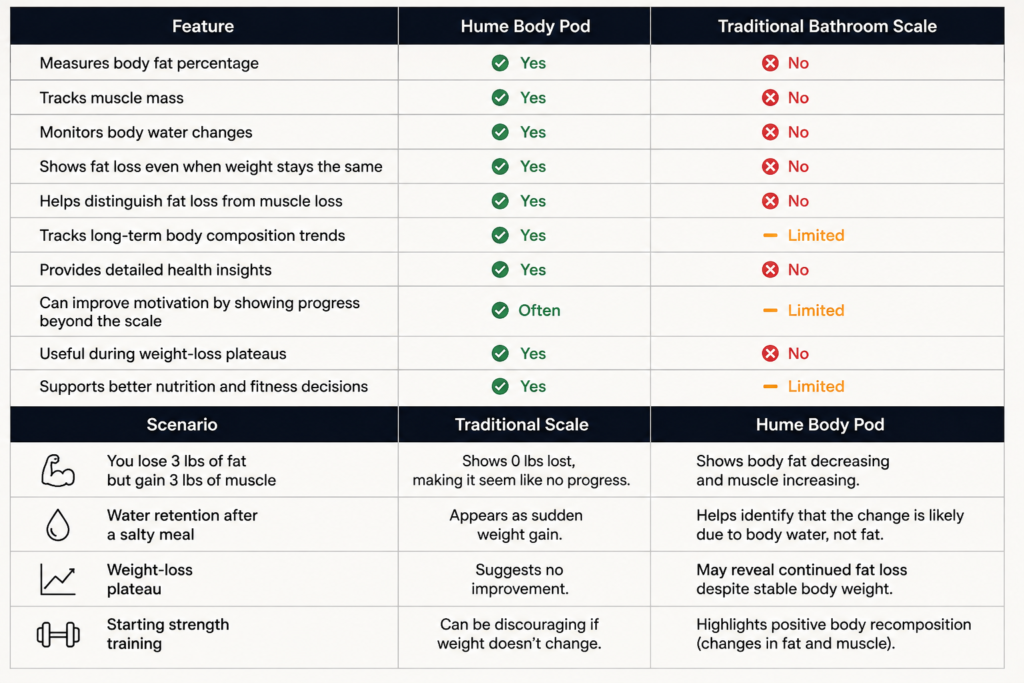
This is the core problem the Hume Body Pod solves. Instead of giving you one number, it uses 8-point bioelectrical impedance analysis (BIA) — four sensors in the base, four in a retractable handle — to run a full-body segmental scan in under 60 seconds. It reports more than 45 metrics, including:
- Body fat percentage
- Skeletal muscle mass
- Visceral fat
- Metabolic age
- Bone mineral content
- Hydration levels
- Independent readings for each arm, each leg, and your torso
For weight loss specifically, this matters because it lets you confirm that the weight you’re losing is actually fat, not muscle — and it can show progress (like dropping visceral fat or gaining muscle) even during weeks when your total body weight barely changes. That’s often the difference between someone who sticks with their plan and someone who gives up because “nothing’s happening,” when in reality their body composition is quietly improving.
4. Move More — And Track How Recovery Affects Your Results
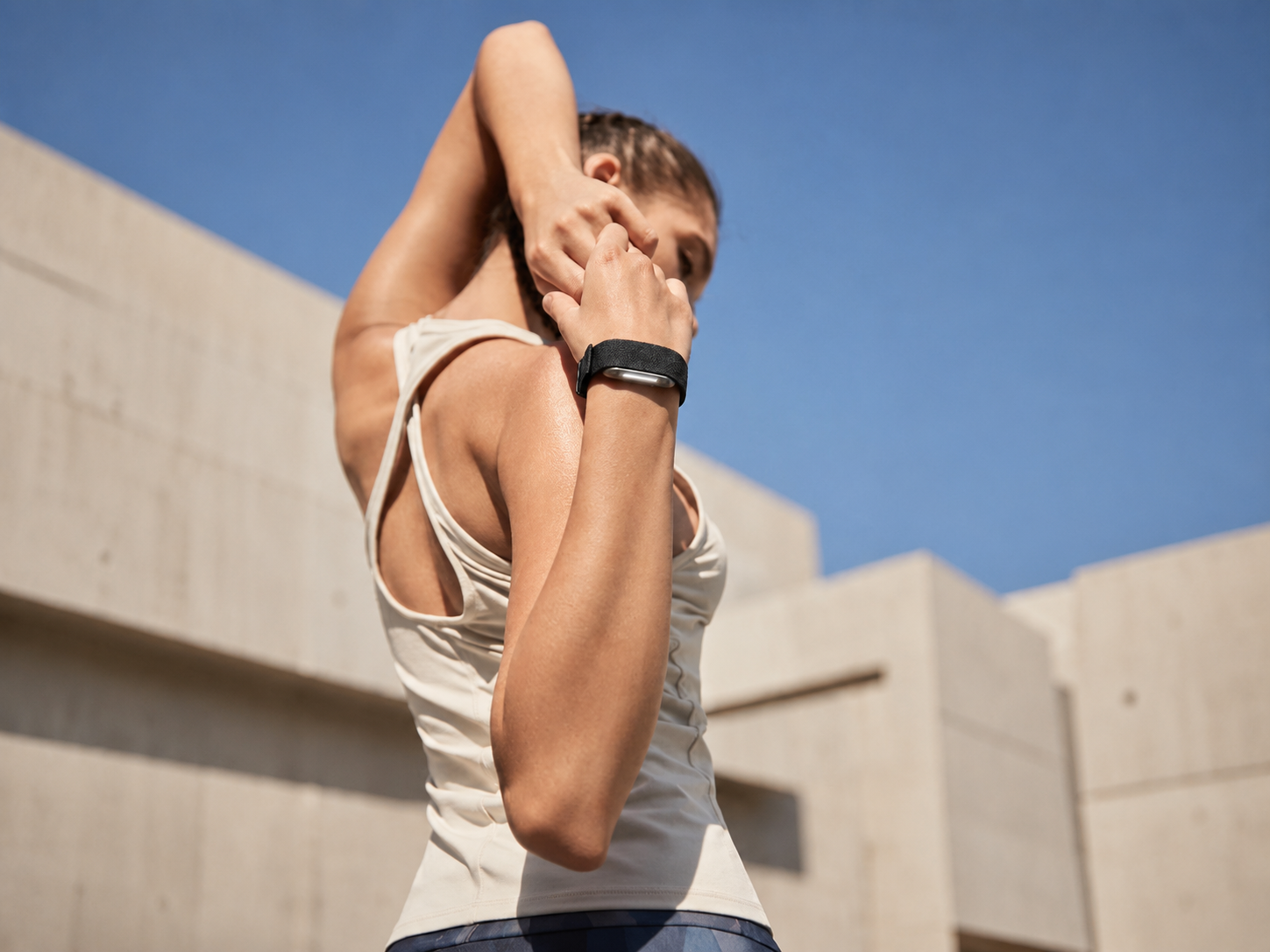
Exercise supports weight loss in two ways: it adds to your calorie deficit, and — more importantly for the long run — it protects the muscle mass that protein alone won’t preserve. Strength training 2–4 times a week, plus regular walking or cardio, is a well-supported combination for sustainable fat loss.
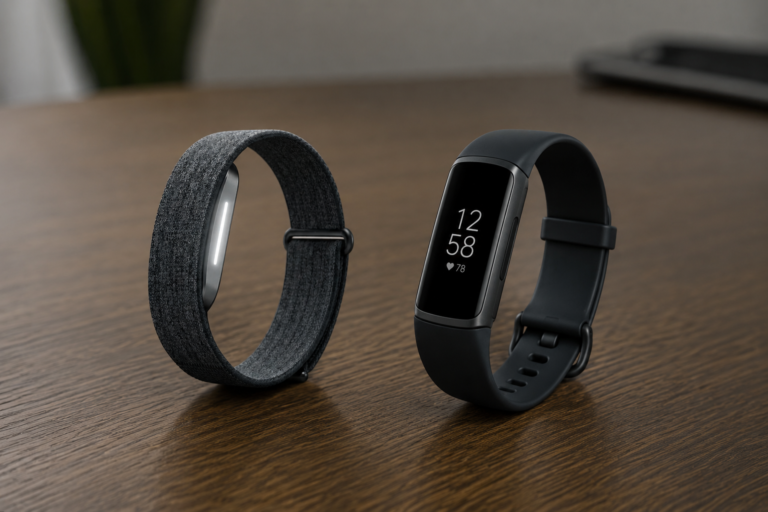
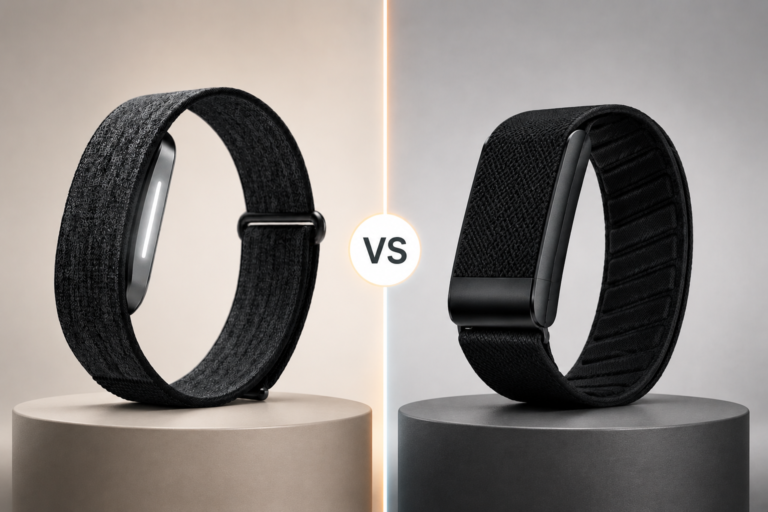
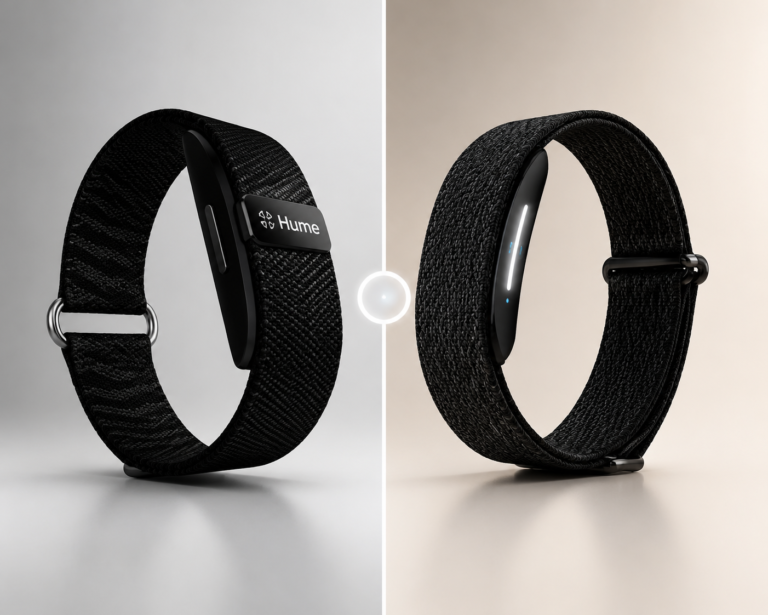
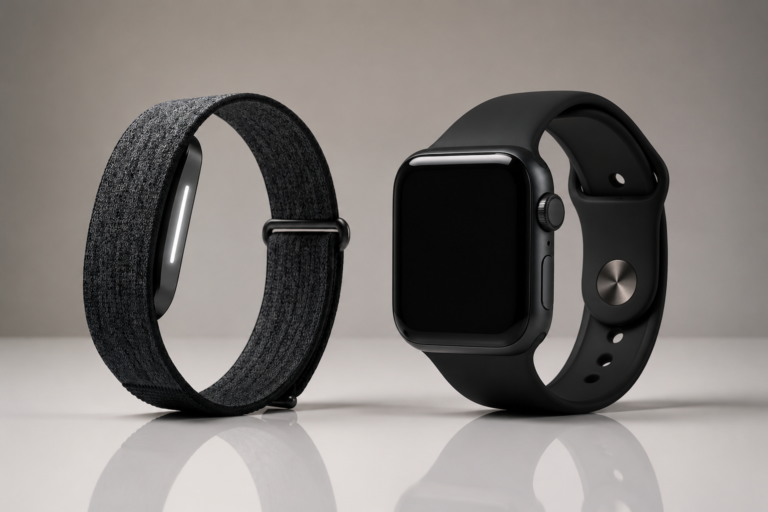
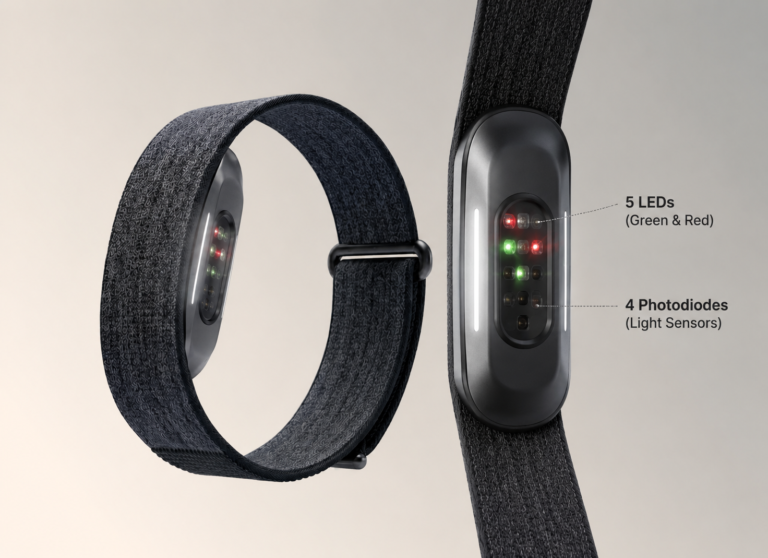
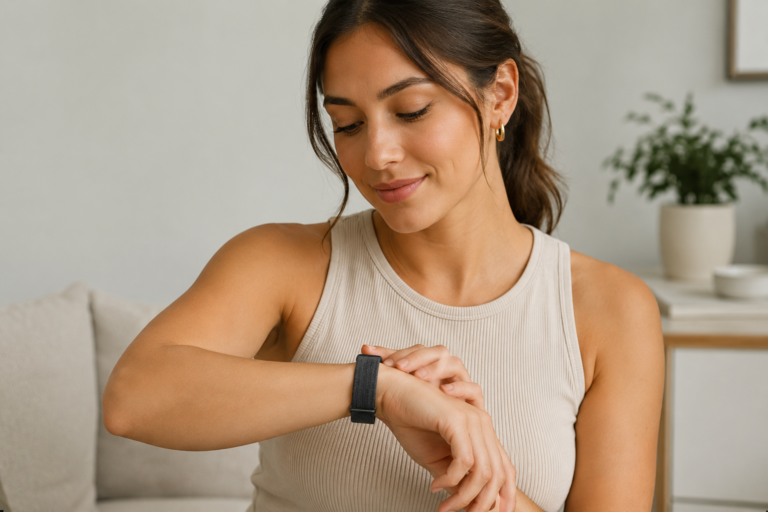
But exercise only works if you can recover from it, and recovery is invisible unless you’re measuring it. This is where the Hume Band fits into the picture. It’s a screenless wearable focused on longevity metrics rather than step-count bragging rights — continuous SpO2 monitoring, heart rate variability (HRV), and detailed sleep tracking, with up to 14 days of battery life.
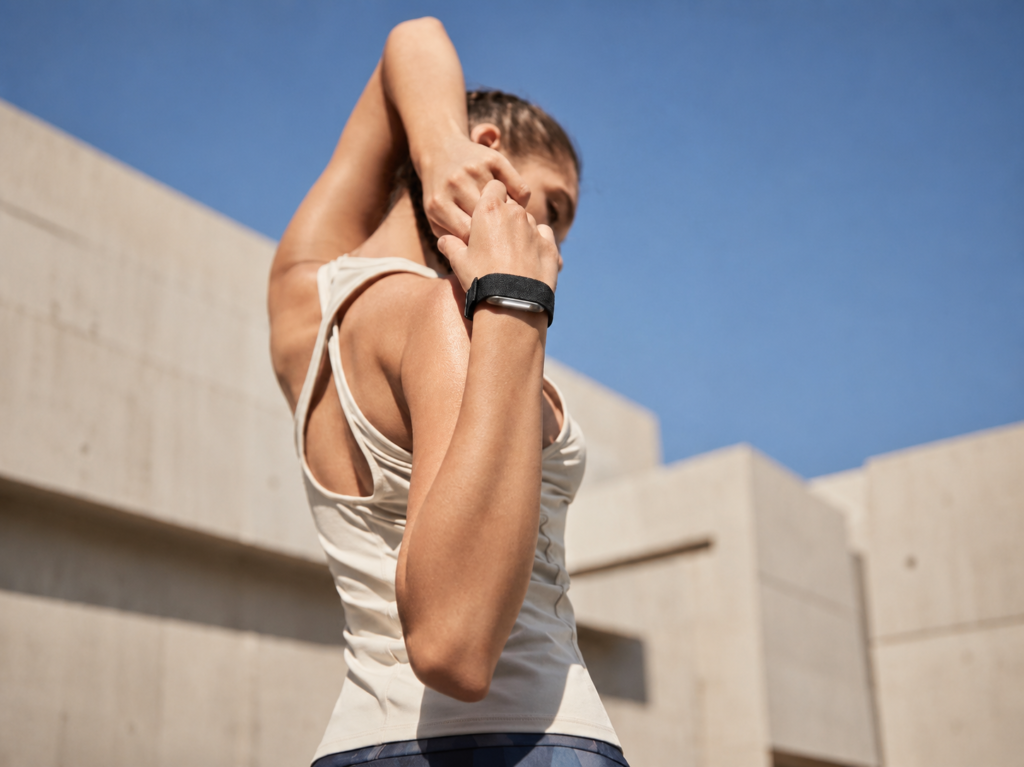
For weight loss, HRV and sleep data are more useful than they might sound at first. Poor sleep and chronic stress both raise cortisol and disrupt hunger hormones (ghrelin and leptin), which is a major reason people overeat even when they’re “trying.” By tracking your recovery trends, the Hume Band can flag when you’re pushing too hard, sleeping too little, or under more stress than you realize — all of which sabotage weight loss even when your diet is otherwise on point.
5. Use the Two Together for the Full Picture
Individually, each device answers a different question:
- Hume Body Pod — What is my body actually made of right now, and how is that changing?
- Hume Band — How well is my body recovering, sleeping, and handling stress day to day?
Used together, they connect to the same Hume Health app and combine into a single Hume Health Score — pairing body composition data with cardiovascular and recovery data so you can see the full cause-and-effect relationship between your training, your sleep, and your results. That’s a meaningfully different experience than stepping on a regular scale once a week and hoping for the best.
6. Be Patient With the Process
Sustainable weight loss is slow by design — a pace of 0.5–1 lb per week is what allows your body to hold onto muscle and avoid the metabolic slowdown that comes with more aggressive dieting. Expect plateaus. Expect weeks where the scale doesn’t move. This is normal, and it’s exactly why body composition tracking is so valuable: it gives you a more honest, less discouraging way to see whether your plan is actually working underneath the noise of daily weight fluctuations.
Frequently Asked Questions
How many calories should I eat to lose weight?
Most people lose weight safely by eating 300–500 calories below their maintenance level per day. Maintenance calories vary by age, sex, height, weight, and activity level, but a common starting estimate is bodyweight (in lbs) × 12–14 for a moderately active adult, then subtracting 300–500 from that number.
How much weight is safe to lose in a month?
A safe, sustainable rate of weight loss is about 4–8 lbs per month, or roughly 1–2 lbs per week. Losing weight faster than this usually comes from water and muscle loss rather than fat, and it raises the risk of regaining the weight afterward.
Why am I not losing weight even though I’m eating less?
The most common causes are underestimating calorie intake, water retention masking fat loss, muscle gain offsetting fat loss on the scale, and metabolic adaptation after weeks of dieting. Tracking body composition rather than weight alone usually reveals progress that the scale is hiding.
Is cardio or strength training better for weight loss?
Strength training is better for preserving muscle mass and metabolic rate while losing fat, while cardio burns more calories per session. Most research supports combining both: 2–4 strength sessions per week plus regular cardio produces better long-term fat loss than either alone.
How long does it take to see visible weight loss results?
Most people notice visible changes after 4–6 weeks of consistent effort, though it varies by starting body fat percentage and how much weight needs to be lost. Scale weight often lags behind visible changes because of daily water fluctuations.
Does drinking more water actually help you lose weight?
Yes, in two main ways: it can reduce appetite when consumed before meals, and adequate hydration supports metabolic processes involved in fat burning. Water itself has no calories, so replacing sugary drinks with water also lowers overall calorie intake.
Why does the scale not move even when I’m losing fat?
Body weight fluctuates daily due to water retention, sodium intake, hormonal cycles, and digestion, which can mask fat loss for days or weeks at a time. This is why tracking body composition (fat mass vs. muscle mass) gives a clearer picture than weight alone.
What is a normal weight loss plateau, and how long does it last?
A plateau is a period of several weeks where weight loss stalls despite consistent habits, and it happens because metabolism adjusts downward as body weight decreases. Plateaus typically last 2–4 weeks and usually resolve by adjusting calorie intake or activity level slightly.
How can I track body fat loss at home without a gym?
At-home body composition scales use bioelectrical impedance analysis (BIA) to estimate fat mass, muscle mass, and other metrics by sending a low-level electrical signal through the body. They’re not as precise as a DEXA scan, but they’re accurate enough to track trends over time, which matters more for weight loss than any single reading.
What’s the most accurate way to measure body composition at home?
Multi-frequency, multi-point BIA scales are currently the most accurate consumer option, since they take readings from more than one point on the body (such as both feet and both hands) instead of estimating the upper body from a single foot-to-foot reading. This segmental approach reduces the error common in basic bathroom scales.
How do I know if I’m losing fat or muscle?
The only reliable way is to measure body composition directly rather than relying on total body weight, since fat and muscle affect the scale differently but look identical as a single number. A body composition scale or periodic DEXA scan can show whether a loss in weight corresponds to a loss in fat, muscle, or both.
The Bottom Line
Weight loss comes down to a handful of fundamentals: a moderate calorie deficit, enough protein, consistent strength training, and enough recovery to sustain it all. What separates people who stick with it from people who quit is usually visibility — being able to see real progress even when the bathroom scale isn’t cooperating.
That’s the gap tools like the Hume Band and Hume Body Pod are built to close: one tracks what’s happening inside your body composition, the other tracks how well you’re recovering to support it — together giving you a much clearer, more motivating picture of your weight loss journey than the number on a traditional scale ever could.