The Hume Body Pod Review (2026): Is This Body Composition Scale Worth It?
The Hume Body Pod is an at-home body composition scale that uses 8-electrode, multi-frequency bioelectrical impedance analysis (BIA) to estimate body fat, muscle mass, water, and 40+ other metrics. It costs $229 (regularly listed at $352) with an optional $9.99/month Hume+ subscription for AI coaching. Independent testing shows it tracks whole-body fat percentage reasonably close to DEXA scans, but segmental readings (like leg fat) can be significantly less reliable. It’s worth it if you want a serious trend-tracking tool and don’t mind day-to-day fluctuation. It’s not worth it if you just want your weight or expect clinical-grade precision on every single number.
What Is the Hume Body Pod?
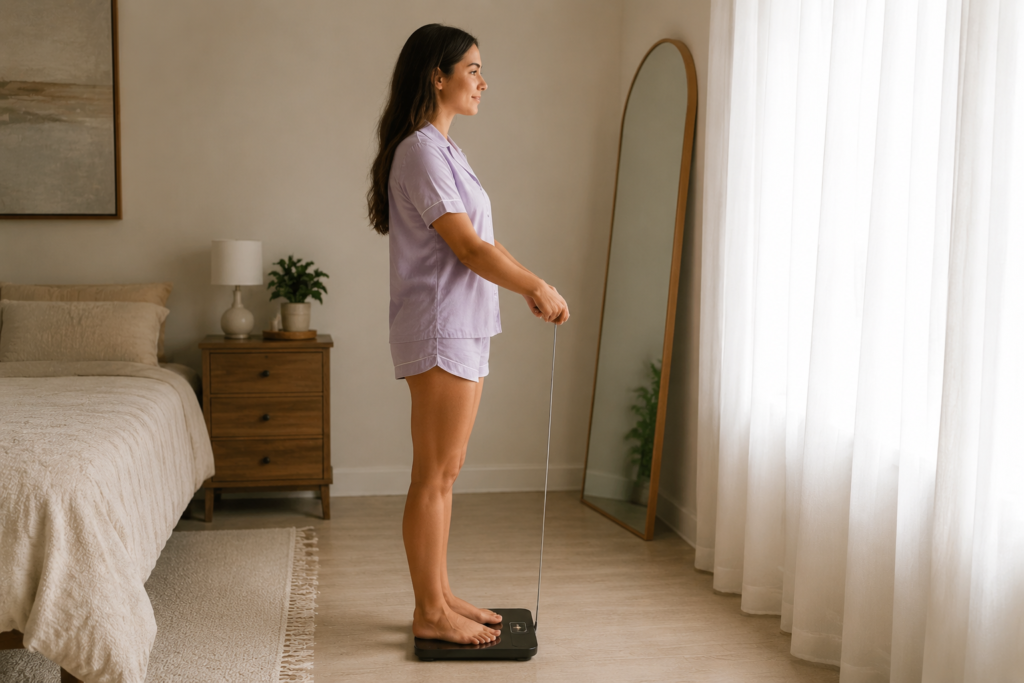
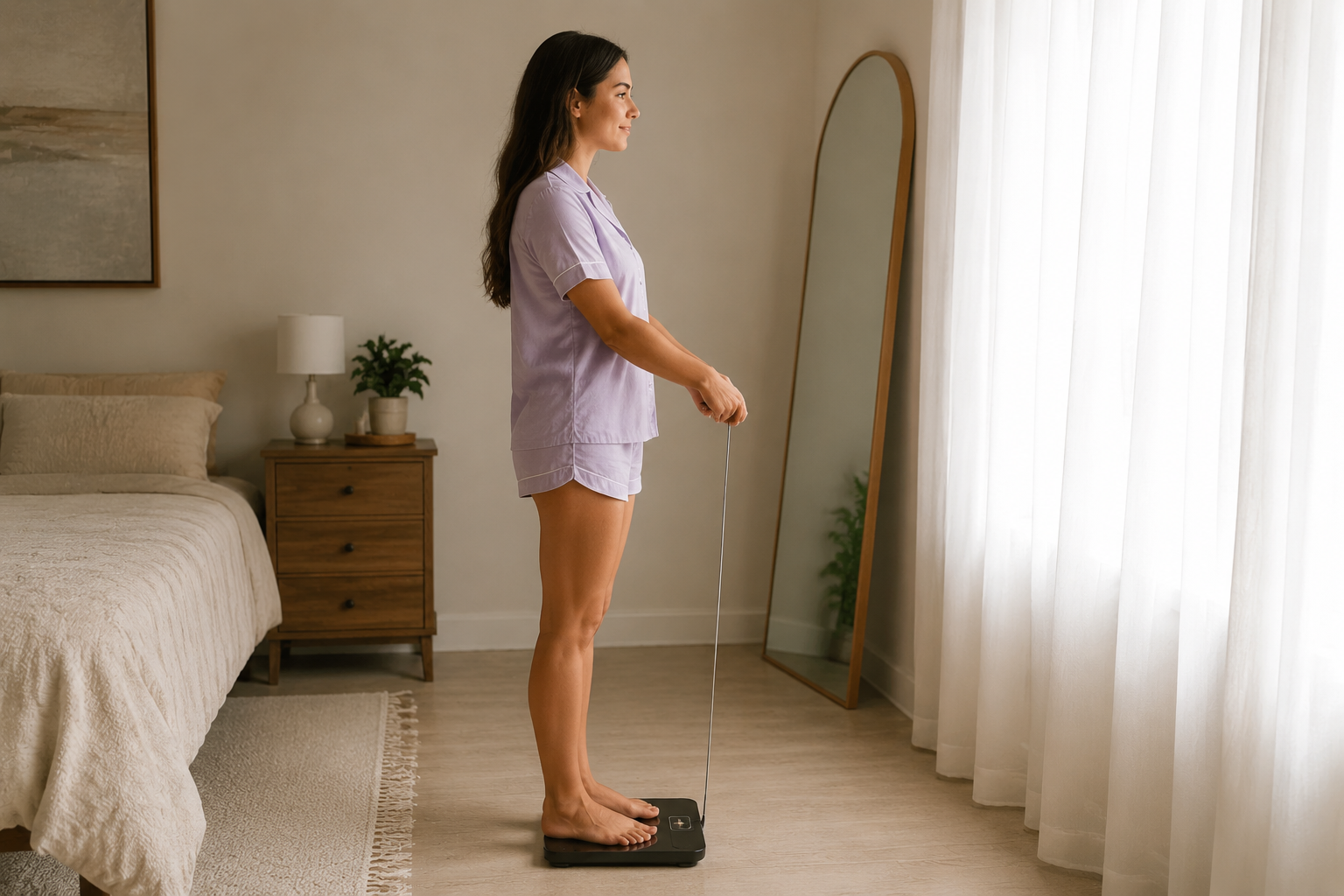
The Hume Body Pod is a smart scale from Hume Health, the same company behind the Hume Band wearable. Unlike a standard bathroom scale that only measures weight, the Body Pod uses eight electrodes — four in the platform under your feet and four in a handheld bar you hold at arm’s length — to send a low, harmless electrical current through your body. Because fat, muscle, and water conduct electricity differently, the device uses that resistance data, combined with your height, age, and sex, to estimate more than 45 health metrics.
This method is called bioelectrical impedance analysis (BIA). It’s the same underlying technology used in higher-end body composition devices, but the Body Pod’s advantage is the handheld sensors, which let it measure your arms, legs, and torso separately instead of estimating your whole body from your feet alone — something most $50–$100 smart scales can’t do.
Hume Body Pod: Key Specs at a Glance
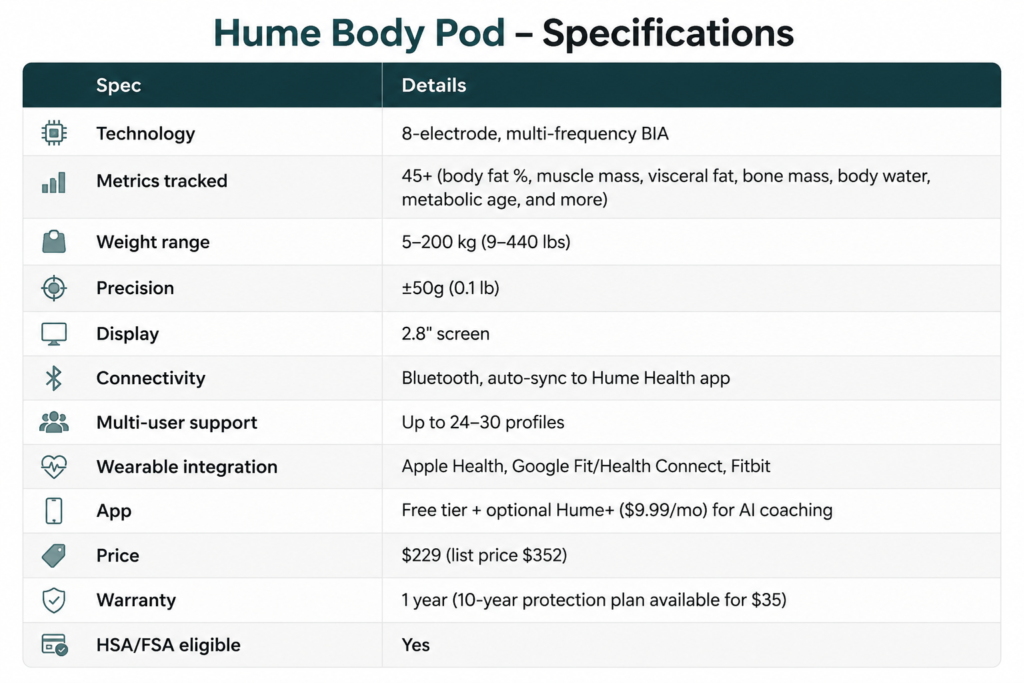
Pricing and promotions change frequently — always confirm the current price on Hume’s official site before buying.
How Accurate Is the Hume Body Pod, Really?
This is the question most people searching “hume body pod review” actually want answered, so let’s be direct about it.
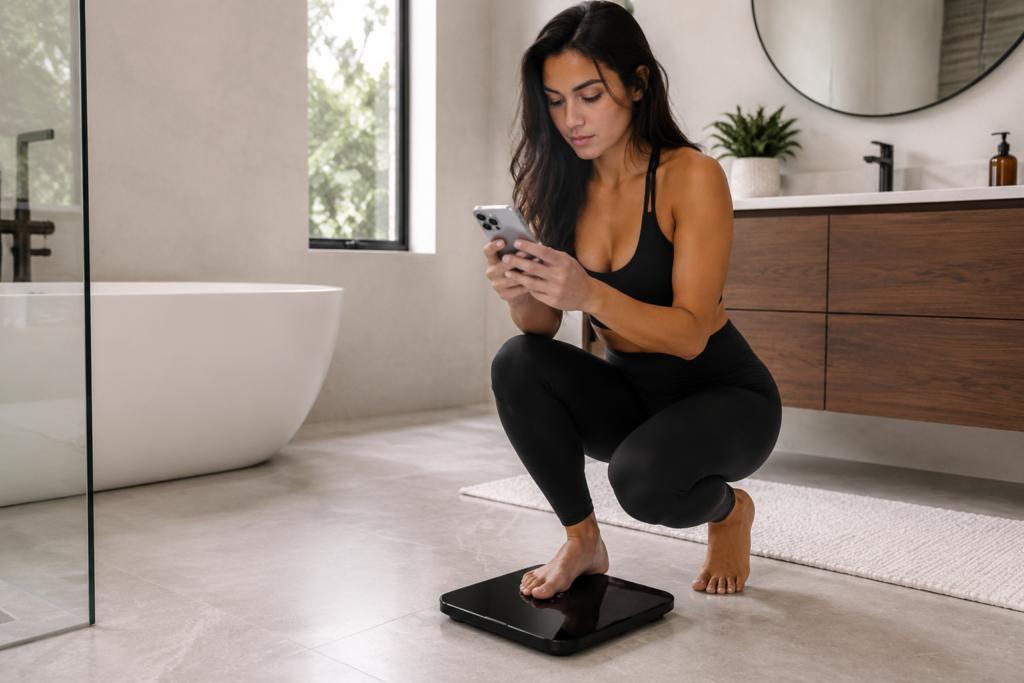
What it gets right: In hands-on testing against DEXA scans — the imaging-based gold standard for body composition — the Body Pod’s whole-body fat percentage landed within roughly 2 percentage points of DEXA, and weight tracked within a few pounds. Day-to-day consistency was strong, which matters more than any single reading, since the real value of a device like this is trend tracking over weeks and months.
Where it falls short: Segmental readings — the breakdown of fat and muscle in individual limbs — were noticeably less reliable in independent testing, with leg fat estimates off by as much as 37% compared to DEXA in some cases. Like all BIA devices, single readings can shift based on hydration, recent meals, exercise, and even time of day. Hume’s own marketing cites up to 98% correlation with DEXA-equivalent methods, and third-party testing broadly supports strong whole-body accuracy — but the segmental numbers deserve healthy skepticism.
Bottom line on accuracy: Trust the trend line, not any single number. If your body fat percentage is trending down over four weeks of consistent morning measurements, that’s meaningful. If today’s reading is 1% different from yesterday’s, that’s just normal BIA noise — not a real change in your body.
What Does the Hume Body Pod Measure?
The app organizes its 45+ metrics into a few core categories:
- Body composition: body fat %, fat mass, lean body mass, skeletal muscle mass, visceral fat, subcutaneous fat, bone mass
- Water & hydration: total body water, intracellular water (ICW), extracellular water (ECW)
- Metabolic markers: BMR (basal metabolic rate), metabolic age
- Segmental analysis: separate fat and muscle breakdowns for both arms, both legs, and the torso
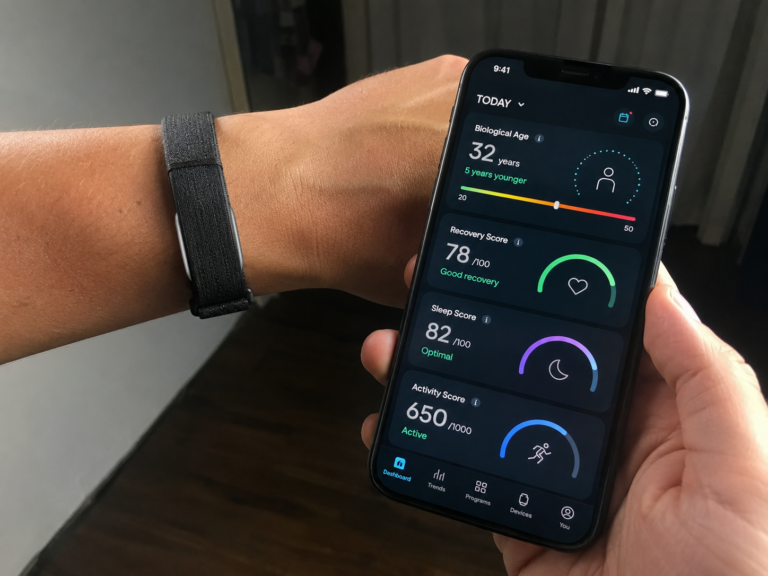
- Overall Health Score: a single 0–900 score that combines body composition with sleep, activity, and measurement consistency from the app
That segmental analysis, combined with the Health Score, is really what separates the Body Pod from cheaper foot-only smart scales — you’re not just getting a number, you’re getting a map of where your body composition is actually changing.
Setup and Daily Use
Setup takes about five minutes: unbox the scale, place it on a hard, flat surface, download the Hume Health app, create an account, and enter your height, age, and gender so the device can calibrate its estimates. Once paired over Bluetooth, every scan — feet on the platform, hands gripping the bar for about 15–30 seconds — syncs automatically. No Wi-Fi setup is required for basic use.
For the most consistent trend data, weigh in at the same time of day (most guides recommend first thing in the morning, before eating or drinking) and under similar hydration conditions.
Hume Body Pod Pricing
The Body Pod is currently priced at $229, discounted from a $352 list price, and Hume frequently runs additional promotional codes on top of that. Payment plans (roughly 18 installments of $13) are also available at checkout. The base price includes the scale, a 1-year warranty, and access to the free tier of the Hume Health app.
The optional Hume+ membership ($9.99/month) unlocks AI-driven coaching, deeper weekly reports, and personalized programs. The free tier is enough if you just want to track your core metrics over time; Hume+ is aimed at people who want the app to actively tell them what to change.
A 45-day return window and an optional 10-year protection plan ($35) are also available, which is generous compared to most smart scales in this price range.
Hume Body Pod: Pros and Cons
Pros
- Segmental analysis (arms, legs, torso) most competitors at this price don’t offer
- Strong whole-body fat percentage accuracy in independent testing
- 45+ metrics with a clean, beginner-friendly app
- Supports up to 24–30 user profiles — good for families
- HSA/FSA eligible
- Syncs with Apple Health, Google Fit, and Fitbit
- Generous 45-day return policy and optional extended warranty
Cons
- Segmental (limb-specific) readings are noticeably less accurate than whole-body numbers
- Day-to-day readings can fluctuate with hydration, making single scans misleading
- Best features (AI coaching, full reports) sit behind a $9.99/month subscription
- Meaningfully pricier than basic smart scales that only track weight and rough body fat estimates
- 1-year base warranty is shorter than some competitors offer standard
Who Should Buy the Hume Body Pod?
Good fit for:
- Anyone doing body recomposition (losing fat while building or preserving muscle) who needs more than a weight number to know if it’s working
- Households or families who want one device covering multiple people
- People who already track other health data (sleep, workouts) and want it unified in one app
Skip it if:
- You only care about your weight — a $50 scale does that job
- You want lab-grade precision on individual limb measurements — no BIA device, including this one, fully delivers that
- You’re not willing to weigh in consistently — the value of this device comes from trends, not one-off readings
Hume Body Pod vs. a Basic Smart Scale
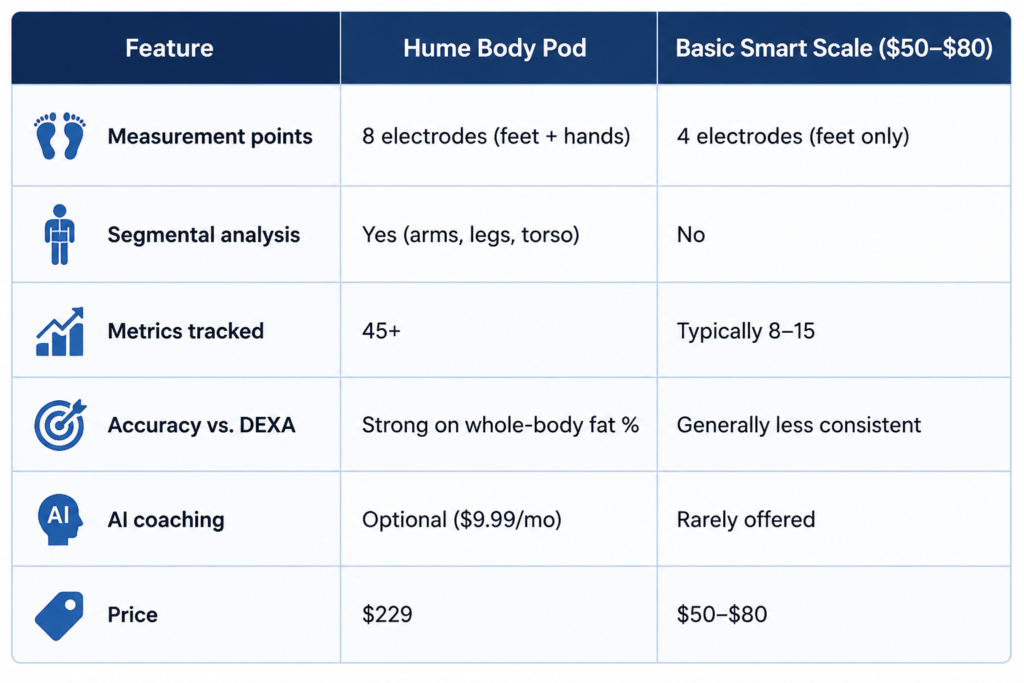
If you only want a number on the scale each morning, a basic model is the better value. If you want to actually see where fat and muscle are changing on your body, the Body Pod’s handheld electrodes are the meaningful upgrade you’re paying for.
Frequently Asked Questions
Is the Hume Body Pod accurate?
For whole-body fat percentage, independent testing found it lands within about 2 percentage points of DEXA scan results, with strong day-to-day consistency. Segmental (limb-specific) readings are less reliable and can be off by a wider margin, so they’re best used as a rough directional guide rather than an exact number.
How much does the Hume Body Pod cost?
The Body Pod is priced at $229, down from a $352 list price, with occasional additional promo discounts. An optional Hume+ subscription for AI coaching costs $9.99/month.
Do I need the Hume+ subscription to use the Body Pod?
No. The free tier of the Hume Health app covers core metric tracking and device syncing. Hume+ adds AI coaching, deeper weekly reports, and personalized programs on top of that.
How is the Hume Body Pod different from a regular bathroom scale?
A regular scale only measures total weight. The Body Pod uses 8 electrodes, including a handheld bar, to estimate body fat, muscle mass, water, visceral fat, and 40+ other metrics — and it breaks several of those down by body segment (arms, legs, torso).
Is the Hume Body Pod worth it for casual users?
Probably not. If you’re only interested in tracking your weight, a basic $50–$80 smart scale covers that. The Body Pod’s price is best justified by people who want to track body recomposition (fat loss vs. muscle gain) in real detail over time.
Is the Hume Body Pod HSA/FSA eligible?
Yes, the Body Pod is eligible for purchase with HSA/FSA funds.
Our Verdict
Rating: 4.2/5
The Hume Body Pod does what it promises for the metric that matters most — whole-body fat percentage trend tracking — and its segmental analysis is a real feature advantage over cheaper scales, even if those specific numbers should be taken with a grain of salt. It’s not a replacement for a DEXA scan, and it’s not for someone who just wants to know their weight. But for anyone seriously tracking body recomposition at home, it’s one of the more capable options in its price range.